Research Center

second law of thermodynamics

The Lists Norml Team
5 min read · Jun 02, 2026

Welcome to our deep dive into second law of thermodynamics. This comprehensive guide covers the essential aspects and latest developments within the field.

second law of thermodynamics

second law of thermodynamics has recently sparked huge interest in digital communities. Our automated engine has curated the most relevant insights to provide you with a high-level overview.

"second law of thermodynamics highlights the dynamic intersections within the field."

Below you will find a curated collection of visual insights and related media gathered for second law of thermodynamics.

Curated Insights

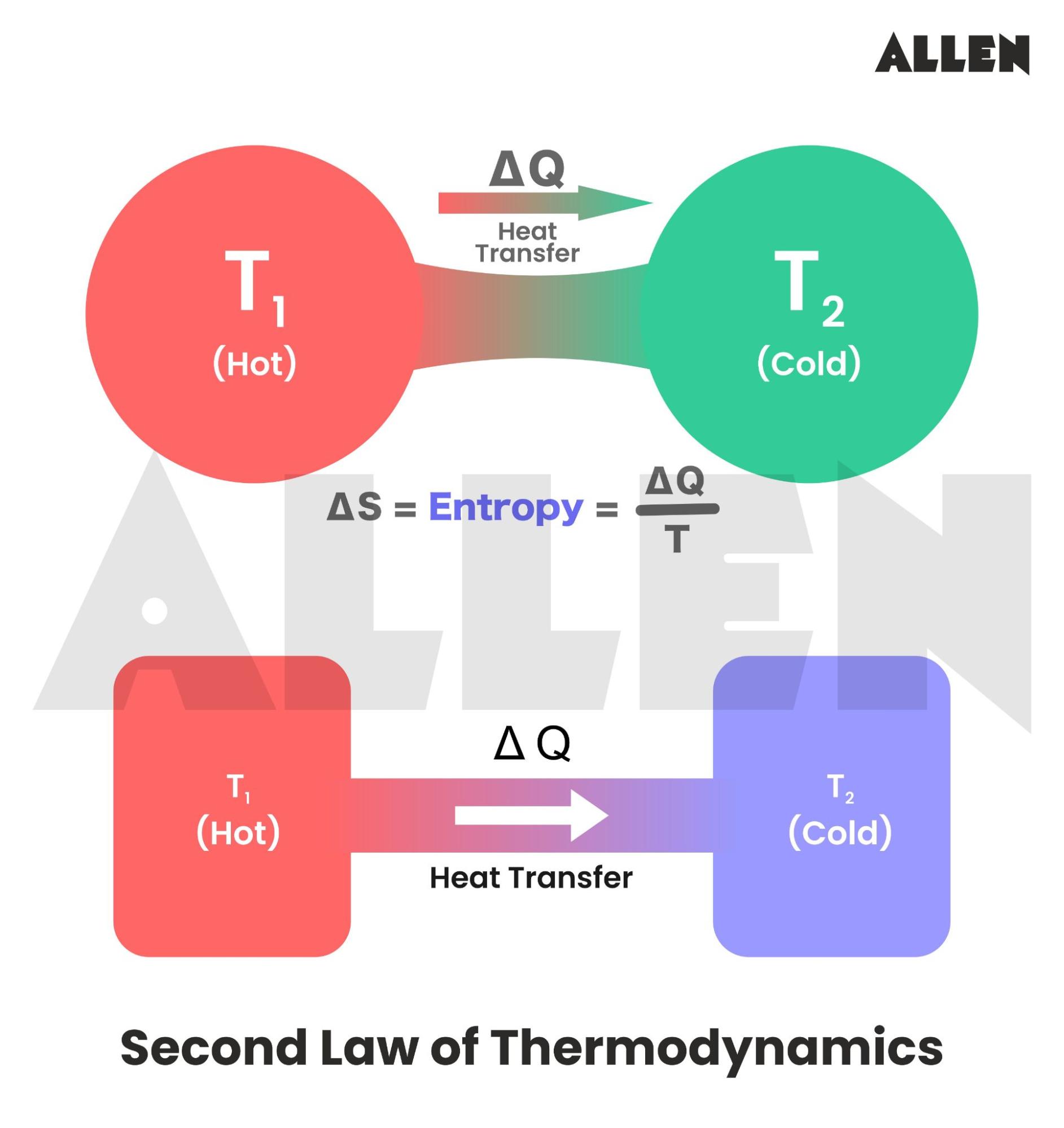
The second law of thermodynamics is a physical law based on universal empirical observation concerning heat and energy interconversions. A simple statement of the law is that heat always flows …
May 9, 2022 · What is the second law of thermodynamics? The second law of thermodynamics asserts that heat cannot move from a reservoir of lower temperature to a reservoir of higher temperature in a …
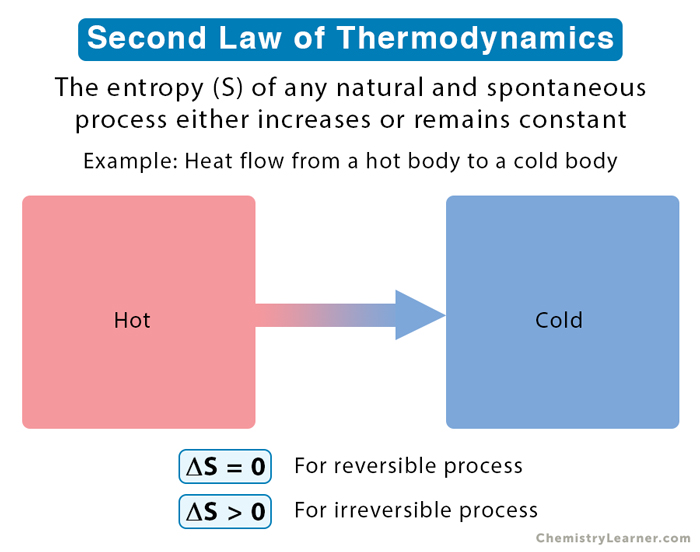
Mar 7, 2026 · The Second Law of Thermodynamics states that in every spontaneous natural process, the total entropy of an isolated system always increases and never decreases.
Jan 1, 2025 · The Second Law of Thermodynamics states that the state of entropy of the entire universe, as an isolated system, will always increase over time. The second law also states that the …
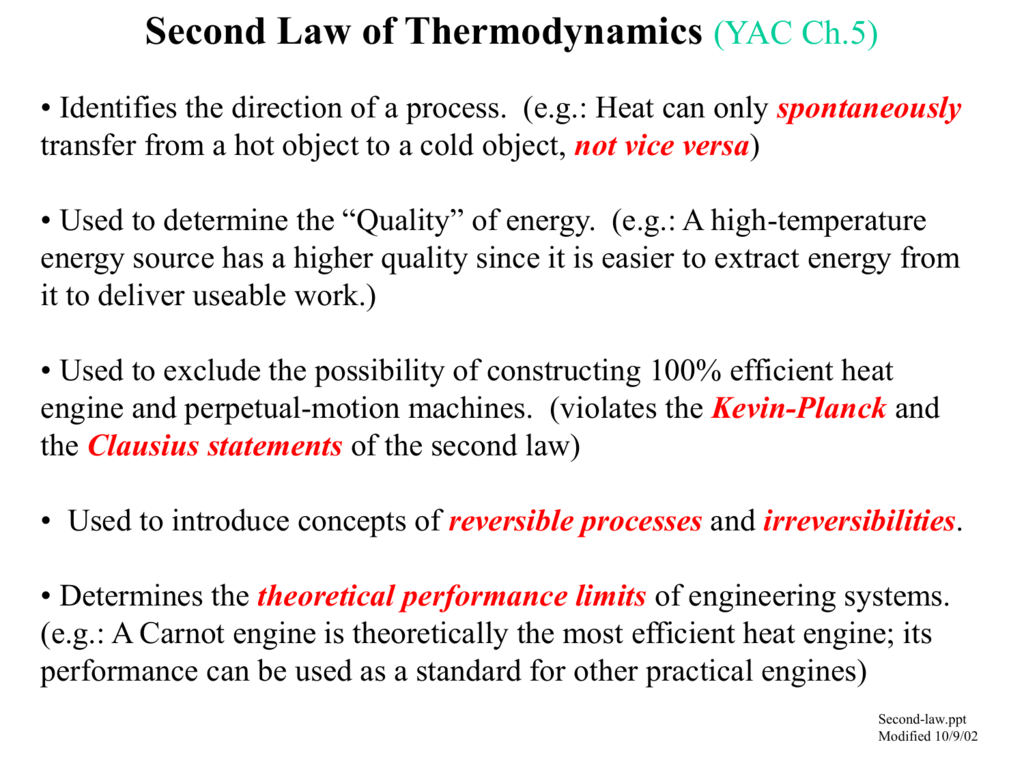
Like the first law, it is a generalization from an enormous amount of observation. There are several ways in which the second law of thermodynamics can be stated. Listed below are three that are often …
The second law states that if the physical process is irreversible, the entropy of the system and the environment must increase; the final entropy must be greater than the initial entropy.
Spontaneous changes are driven by the spread of matter and energy. The Second Law of Thermodynamics associates the entropy changes of both the system and the surroundings to matter …
Eventually, the components of the liquid will reach thermal equilibrium, as predicted by the second law of thermodynamics—that is, after heat transfers energy from the warmer liquid to the colder ice.
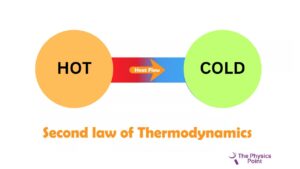
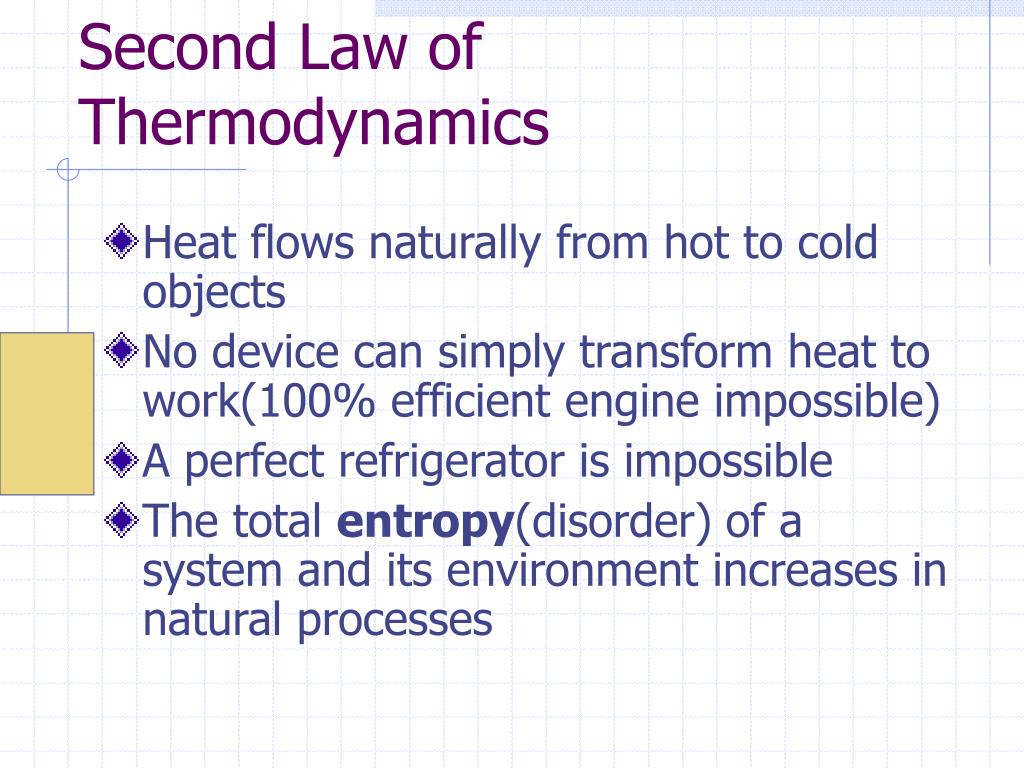
Second Law of Thermodynamics: It is not possible for heat to flow from a colder body to a warmer body without any work having been done to accomplish this flow. Energy will not flow spontaneously from …
What is the second law of thermodynamics. Check out its definition and formula, along with an example.

Visual Insights

Found this helpful? Share it: